
. If you see symptom that suddenly the cloud drive volume is not usable or accessible, the first thing to check is to use Applications -> Utilities -> Activity Monitor and see if the GladinetClient process is still running. If it is not running, it is very likely the Mac client crashed.
To check the crash log, go to
$HOME/Library/Logs/DiagnosticReports/
When a process crashes, it will generate crash log here. The log file name has the process name and the timestamp when the crash happens.
. Besides the crash log, open Applications -> Utilities -> Console. Here, check Crash Reports.
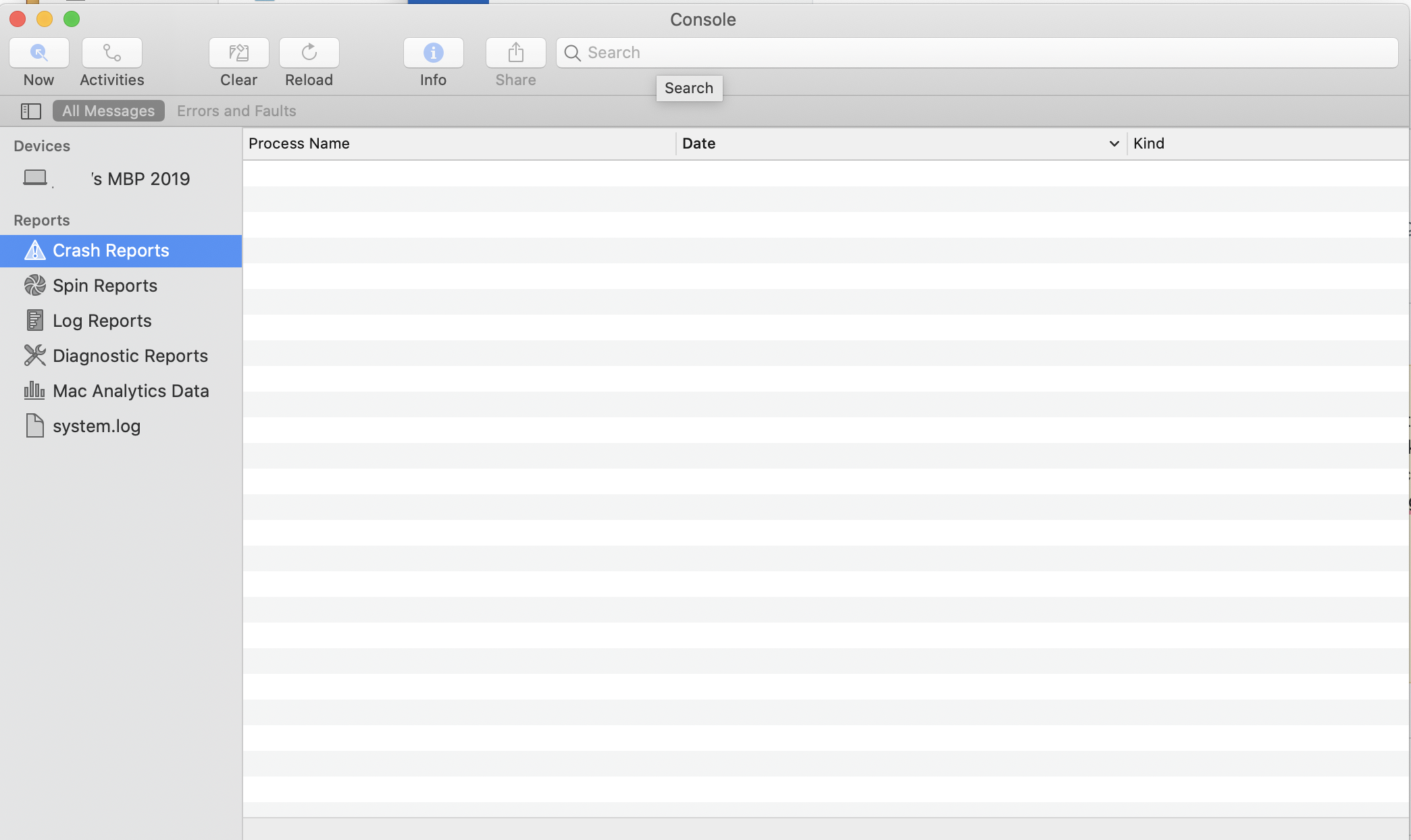
. if there is no crash log or Crash Report under Console, use DTrace tool to collect system calls Mac client generates.
With the Mac client down, open Terminal and run
sudo dtruss -n "Gladinet Cloud Mac Agent"
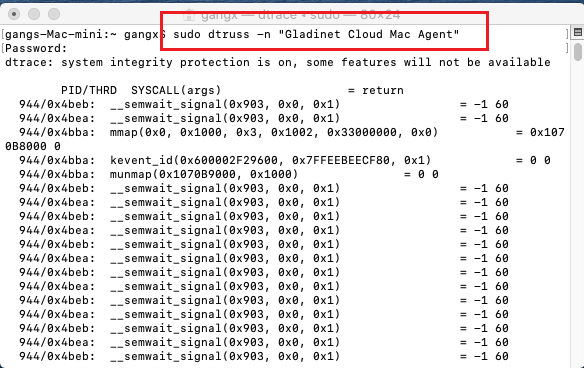
Start Mac client, should see system calls showing up.
Stop Mac client. On the terminal, press control+C to stop dtruss.
run:
sudo dtruss -n "Gladinet Cloud Mac Agent" > macClient.log 2>&1
it will redirect all output from dtruss to macClient.log under current folder.
Start Mac client and reproduce the issue.
Press control+C on the terminal, to stop the dtruss.
Collect macClient.log file generated for us.
Comments
4 comments
The directory location is not $HOME/Library/Logs/DiagnosticReports/
It is /Library/Logs/DiagnosticReports/
The setup process involves creating a SAML Enterprise Application in Azure AD Premium and linking it with your CentreStack tenant. Configure the required SAML endpoints, upload the certificate, and map user attributes correctly. After saving the settings, validate the allprayerhub.com SSO configuration.
The setup process involves creating a SAML Enterprise Application in Azure AD Premium and linking it with your CentreStack tenant. Configure the required SAML endpoints, upload the certificate, and map user attributes correctly. After saving the settings, validate the Carpet Cleaning Las Vegas SSO configuration.
Helpful guide, thanks. If the GladinetClient process is missing in Activity Monitor, the crash log in $HOME/Library/Logs/DiagnosticReports/ is the right place to check, and the timestamp in the file name tells you which crash matches the moment the drive disappeared. When I set up a small Mac workspace near my entryway, I also browsed some foyer decor ideas.
Please sign in to leave a comment.